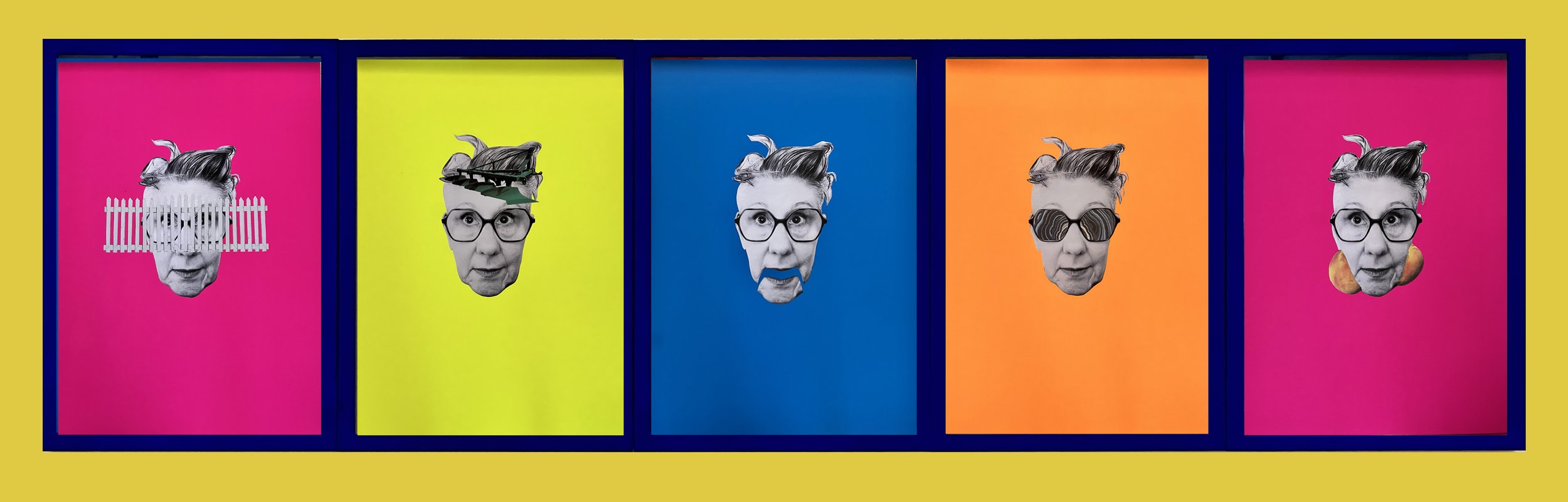
The Elderhood Project by Ali Griffin, offers the word elder, rather than elderly. It celebrates the strength, wisdom and visibility of older women through storytelling, portraiture and community arts events.
An exhibition exploring visibility, ageing, and intergenerational connection.
EXHIBITION OPENING event:
Saturday July 11, 2026, 2-4pm
Join me at the opening of the next iteration of The Elderhood Project. Pass it on/repost focusses on intergenerational connections. All welcome.
The exhibition is open Thursday thru Sunday, 11am - 3pm
ACU Gallery, 26 Brunswick Street, Fitzroy
Working in collaboration with Australian Catholic University, we have created an exhibition and public programming that will get people connecting to the younger and older people in their lives. These fun events will run on weekends throughout the exhibition at the exhibition space, ACU Gallery, 26 Brunswick Street, Fitzroy.
No art experience needed. Just two people, a little curiosity, time shared and memory made.
This FREE drop-in workshop is an invitation to sit across from someone from a different generation, pick up a pencil, and really see each other.
Talk, or not. Notice things. Maybe share stories.
Find out what someone was like at your age, or imagine what you might be like at theirs.
Bring your grandchild. Bring your nan. Bring a neighbour, a mentor, a young person you love, or an elder you you’d like to get to know.
FREE · Drop in Saturday 11 July, 11am – 3pm, all materials supplied. Bookings not required.
Come as a pair; a parent and teen, grandparent and grandchild, auntie and niece, neighbours, friends, chosen family, or any intergenerational duo.
This is a facilitated workshop, but you won’t be learning steps from an instructor - you’ll be learning from each other.
In a dance exchange, what you know becomes the material.
The way your body has moved through decades of weddings, protests, barn-dances.
The way a younger body moves now, at a concert, festival or on the socials.
You’ll share, swap, and probably laugh!
$10 per couple (If payment is a barrier, please get in touch. We want the workshop to remain accessible.)
Saturday 18 July, 11am – 12.30pm
Bookings essential CLICK HERE. Numbers strictly limited.
Open to teenagers and adults with all levels of movement experience and ability.
Pull up a chair. Or just lean in and listen.
This is the final day of Pass It On / Repost, and we’re closing it the best way we know how.
Havin’ a good chat…. a chinwag, a convo, a natter, a good old D&M.
A group of elders and young artists will sit down together to talk about life, creativity, mistakes, opportunities, what they wish they'd known earlier, and what they're still trying to figure out. Whatever comes up! They'll share stories, ask questions, compare notes and discover where their experiences overlap, and where they don't.
The conversation is open, unscripted, and genuine, and you’re invited to be part of it. Ask them questions if you like. Throw in a topic for discussion.
They are all open and interested to share.
FREE · Drop in anytime from 2pm, Sunday 26 July (Last day of the exhibition) Bookings not required.
Come for the yarn. Stay for the exhibition. Leave with something to think about.
The Elderhood Project is an ongoing body of work. For more info or to be involved or support, contact Ali.
ABOUT THE ARTIST
Ali Griffin is a multidisciplinary artist exploring visibility, belonging and human connection. Through her socially engaged practice, she creates work that invites audiences to look more closely at the people, places, stories and experiences that are often overlooked. Her projects create space for conversation, challenging assumptions about what we value, what we remember and what deserves to be seen.
Based in the Yarra Valley on Wurundjeri Country, Ali draws on a background in advertising, design and communications, bringing a strong sense of visual storytelling to her contemporary arts practice. Her work has been exhibited in galleries, sculpture parks and public parks and spaces.
Ali is interested in the stories embedded within people, objects and landscapes. Her projects often emerge from conversations, community engagement and lived experience, creating opportunities for audiences to connect with perspectives beyond their own. Themes of social justice, environmental stewardship, ageing, memory and resilience weave throughout her practice.
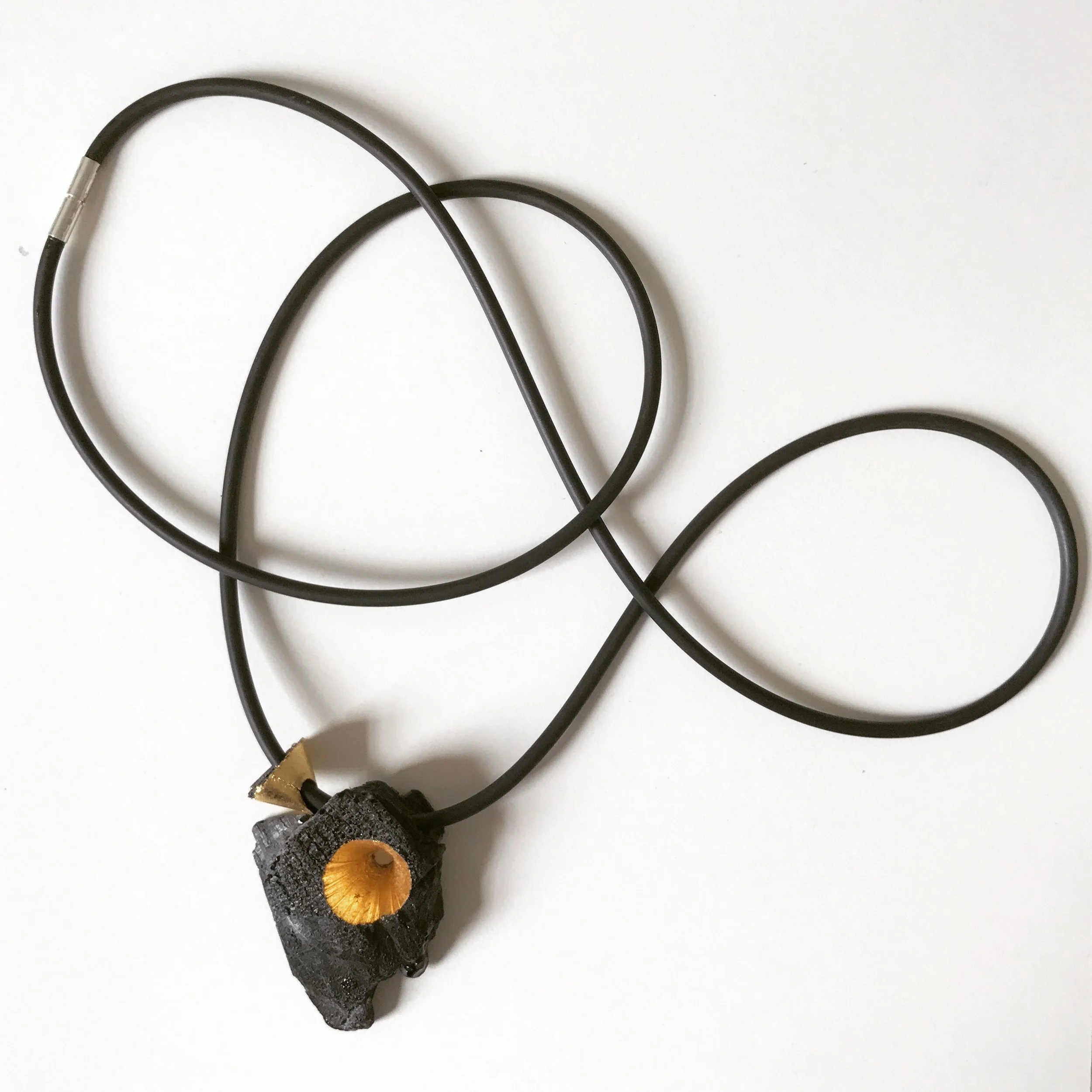
Materiality plays an important role in her work. Drawn to materials with their own histories and associations - charcoal from her burnt out house, parquetry flooring tiles from a Memorial Hall refurb, and decommissioned CFA fire hoses, she uses them to highlight and explore transformation, fragility, endurance and things taken for granted.
Alongside her studio practice, Ali has worked extensively as a curator, exhibitions programmer and community arts facilitator. This experience has shaped her belief that art can be both aesthetically engaging and socially meaningful, creating spaces where people feel seen, heard and connected.
Her current long-term project, The Elderhood Project, celebrates the lives, wisdom and ongoing contributions of older women. Through portraiture, storytelling and intergenerational exchange, the project challenges ageist narratives and invites audiences to reconsider how older women are represented and valued within contemporary culture.
Whether working in a gallery, public space or community setting, Ali's practice is driven by a simple question: what becomes possible when we pay closer attention to what has been overlooked?
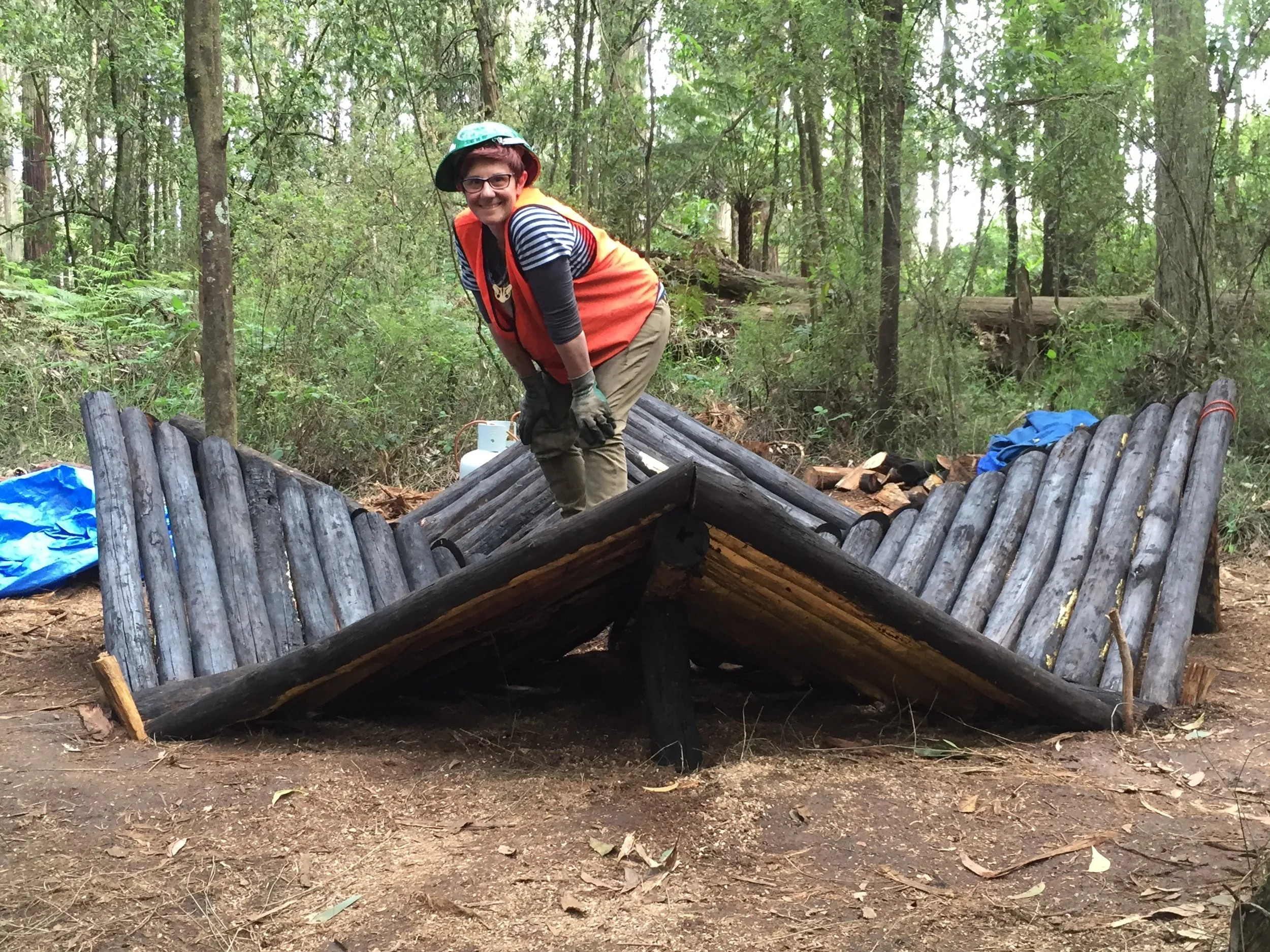
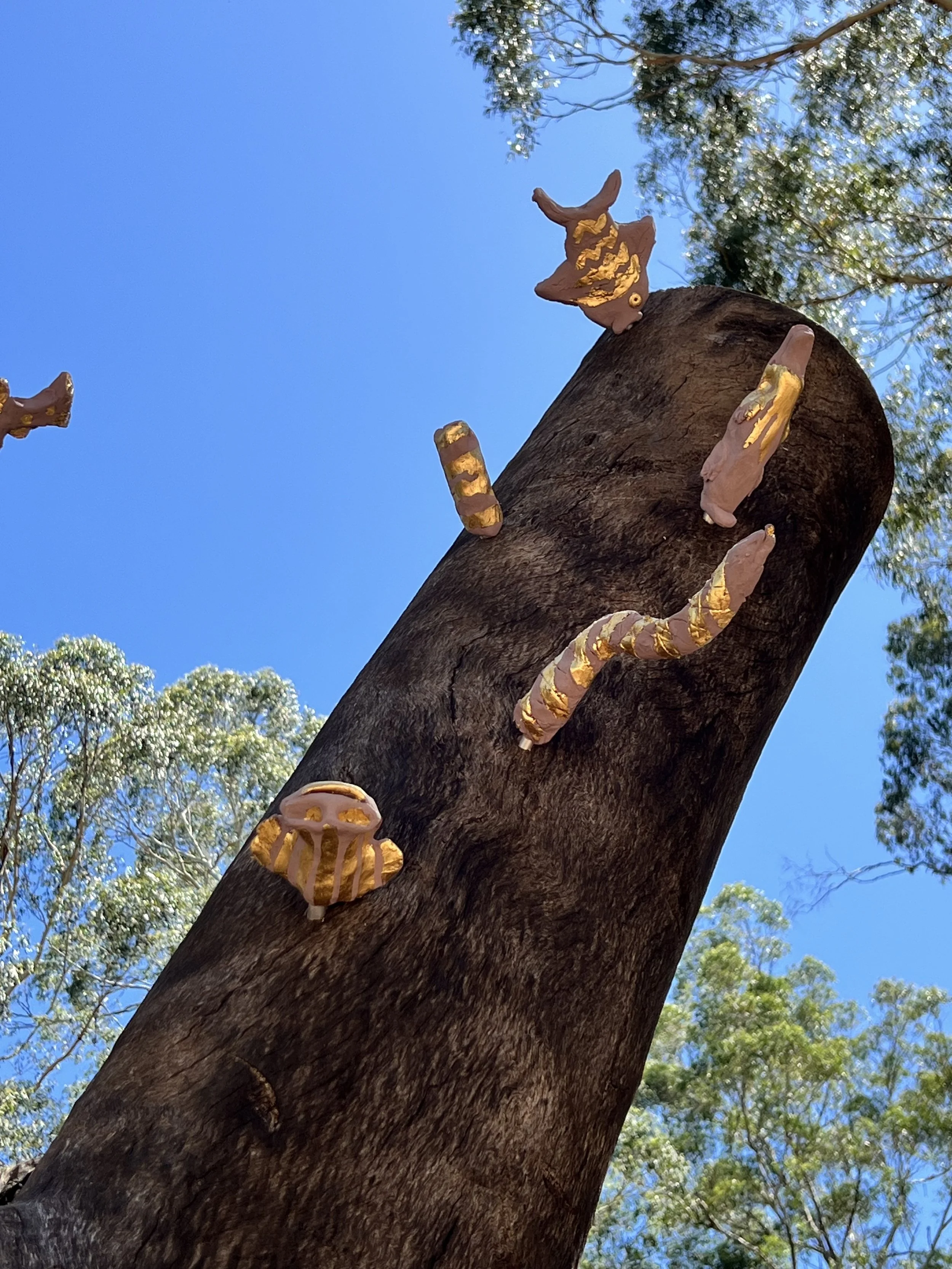
To coincide with the 20th anniversary of the first Toolangi Sculpture Trail, Ali was selected as one of 12 sculptors to participate in an artists residency in Toolangi Victoria, Australia. The artists spent 14 days living and working together in the Toolangi State Forest, to produce new sculptures for the Toolangi Sculpture Trail. Made predominately from materials found in the surrounding bush, the sculptures now reside,and are on show, until they are overtaken by nature.
‘Precious’ is Ali’s response to the Toolangi Forest and wider environmental issues.
PRECIOUS
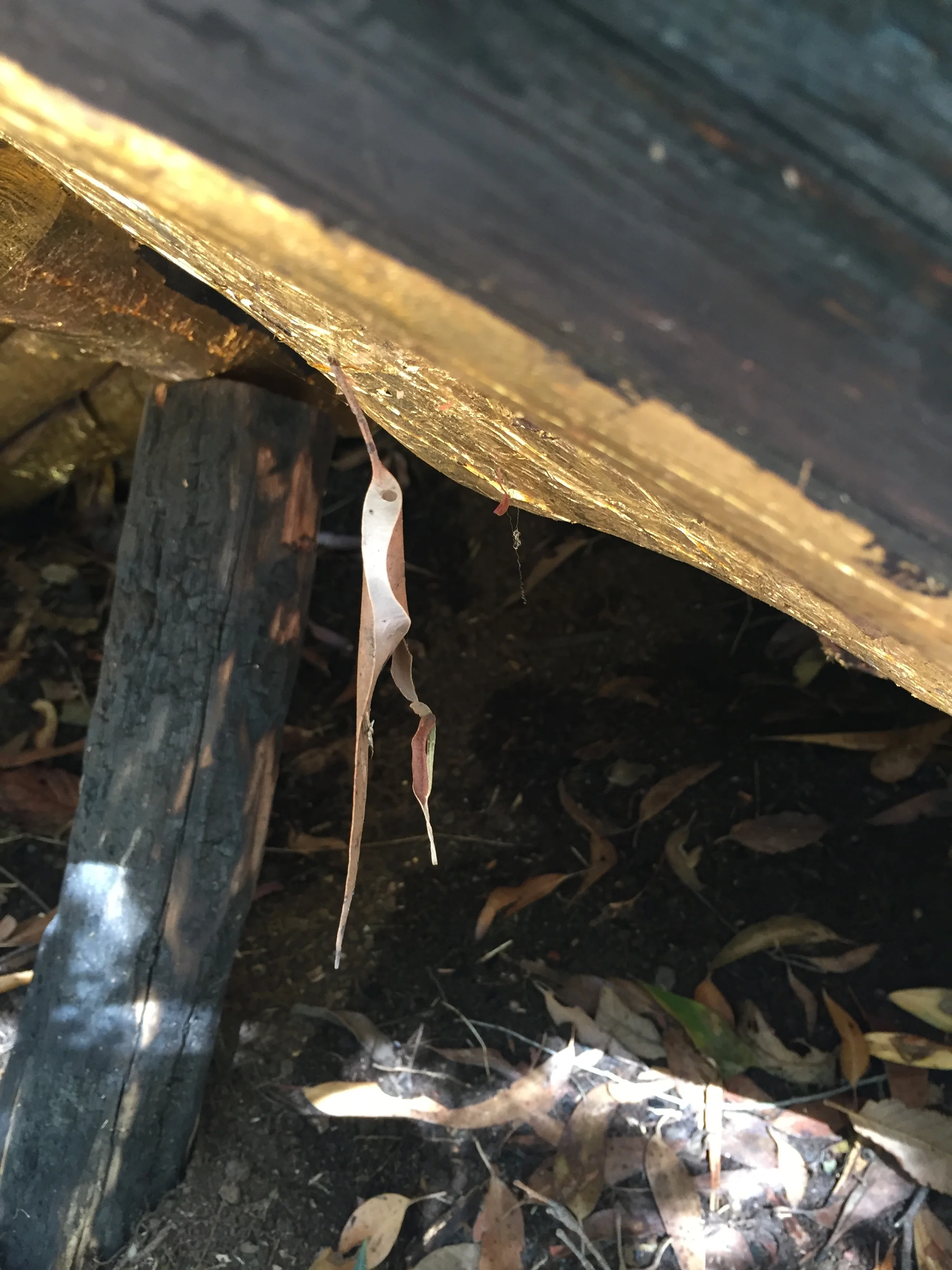
Seemingly worthless, burnt logs, placed in a simple structure will protect us from the elements, whilst a golden glow from within evokes wonderment, wisdom, understanding and enlightenment. The sculpture holds within its octagonal shape the ultimate balance between material and invisible forces, and the infinite.
The smell of fire residue permiates the space triggering conflicting memories of winter home fires, and summer bushfire season.
Precious 24ct gold leaf reflects light from the darkness in stark contrast to the carbon black of the burnt logs, and focuses the mind on the precious nature of what surrounds us, and is in jeopardy.
If we destroy our environment, our home, we will be void of protection and wonder…
Asking the question, ‘what needs to happen for us to value what we already have’, the work aims to alert us to the value of the environment that surrounds us.
When does an object hold purely sentimental value? Does something ever hold only monetary value, or are there other forces at play? When does something become ‘precious’ for not so obvious reasons? And how do you put a price on the object?
In this world when the dollar seems more important than ever, Ali Griffin seeks to challenge this state of living.
If we all lived according to our inner values, what would this world look like?
Brief:
Commissioned by Yarra Ranges Council to create a Memorial seat in Queen’s Park, Healesville as a place of reflection in response to the 2009 Black Saturday Bushfires. It aimed to provide a place of reflection for the community to acknowledge the trauma of a town surrounded by fire.
Response:
A 3.5 metre semi-circular seating area, made from gold plated metal. Words direct from the community reflected sentiments of an emotional and traumatic time, are laser cut through the seat. The cut out words produce shadows on the ground, which dance with the dappled sunlight through the trees in this beautiful park.
Budget:
$10,000
The seat was made from steel, and included community’s responses to the statements ‘I will always remember’, and ‘I never want to forget’. Completed November, 2013.
Parquetry of Honour
By Ali Griffin
(2018; Reclaimed Memorial Hall Auditorium parquetry flooring tiles, neon.)
Surrounded by their community, Healesville’s fallen and returned soldiers are honoured by name on a simple wooden parquetry floor tile imbued with the history of The Healesville Memorial Hall.
The Healesville Memorial Hall has served as a gathering place since it was built after World War 1 where returned soldiers and community members met, danced and even fell in love, whilst remembering those who were not lucky enough to return to their home town.
When I learned of the shocking and largely un-reported statistics that surround women who are killed by their ‘intimate partner’, I was compelled to make this series of domestic objects.
In 2022, more than 50 woman were killed in Australia by their intimate partner. That’s one woman killed EVERY WEEK.
I aim to point out the apathy that many are guilty of, the media’s role in reporting, and our politician’s responsibility in what seems to be a silent epidemic.
There are 7 artworks in the series, as it takes on average seven attempts for a woman to leave a relationship where she is experiencing family/domestic violence, before she can leave for good.
For more information: https://www.mamamia.com.au/violence-against-women-australia-2022/ For information, support and counselling contact 1800RESPECT on 1800 737 732 or visit the 1800RESPECT
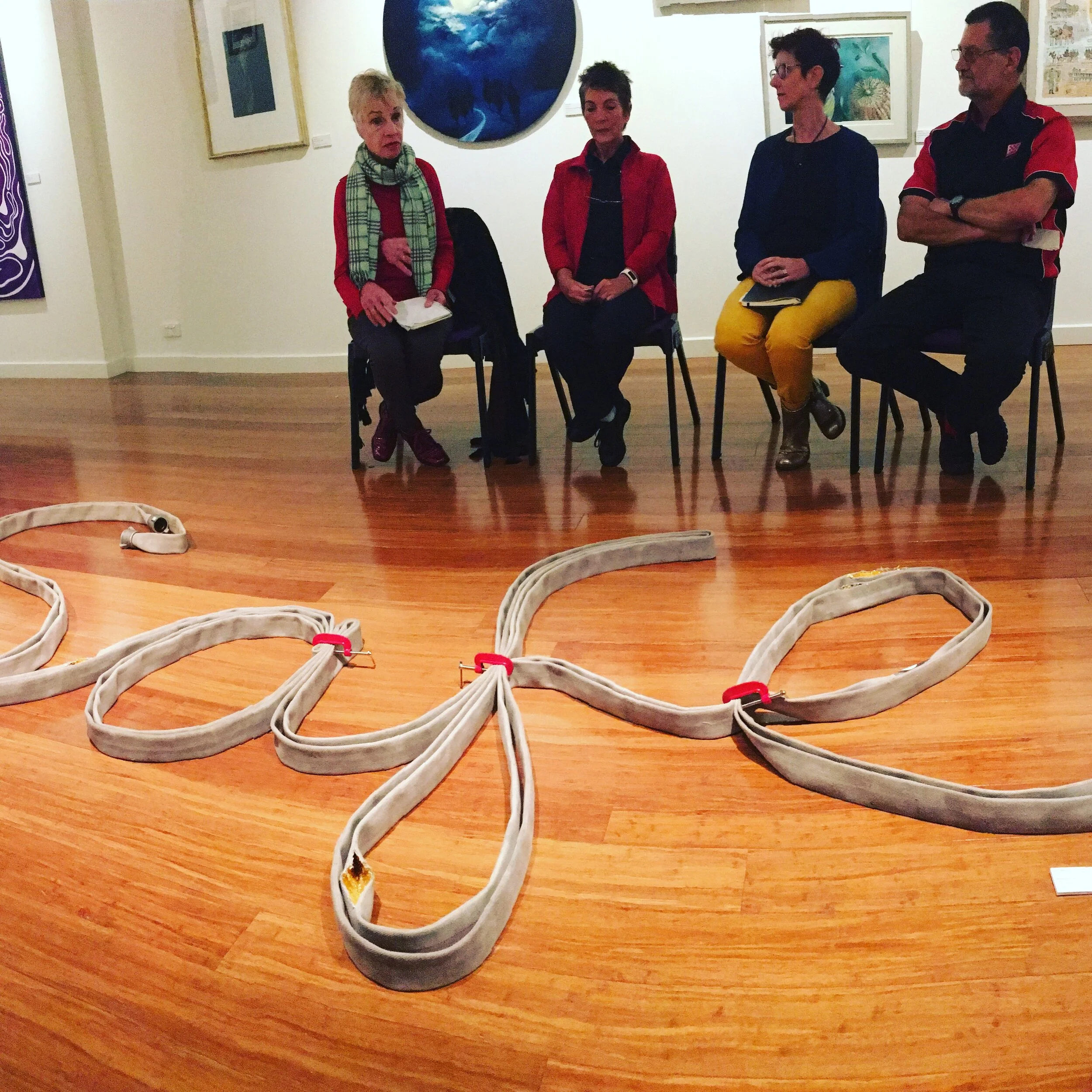
Decommissioned CFA fire-hose, gold leaf, clamps.
Water, with the preciousness of liquid gold pulsing through a fire-hose helps put out fire. There must also be gold in the veins of the people who risk life and limb to keep our lives and property safe from fire. Let’s value the resources we have, both in our environment and our community.
It takes a team to save a village.
ALOHA - INSTALLATION 2019
Decommissioned fire-hose, gold leaf, snow domes, burnt objects, LED neon.
With the country he governed going up in smoke, billions of animals dying, thousands of houses burning down, and entire communities becoming homeless, the then PM Scott Morrison thought it was OK to fly to Hawaii on holiday. With the increasing forces of climate change taking hold over Australia, would Scott Morrison ever become an advocate for the country he governed, in the same way Pacific Island leaders asked for his help? Nope.
YAVA Gallery
Yering Sculpture Exhibition and Awards 2013 - Finalist
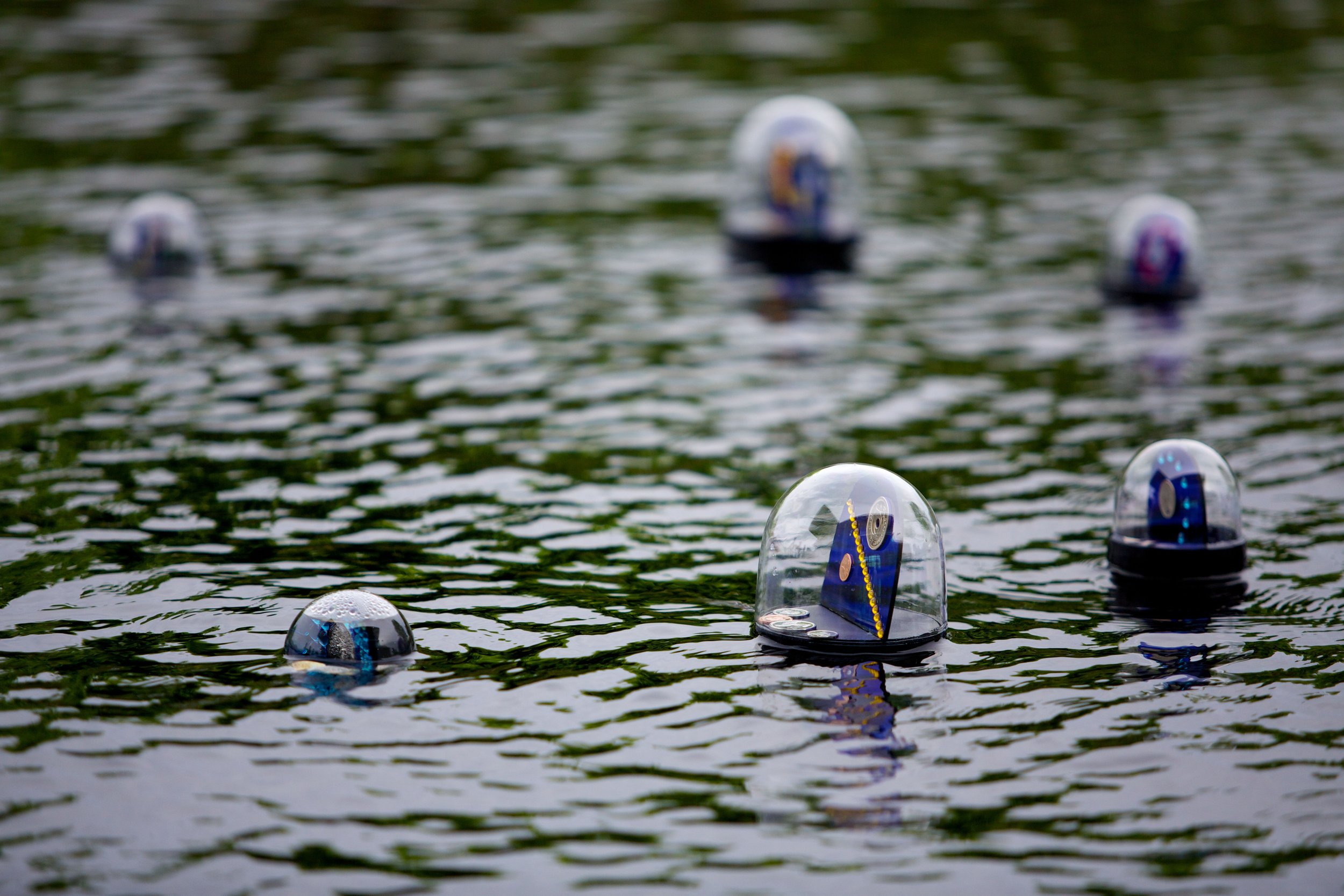
Medium: Snow domes, coins, water
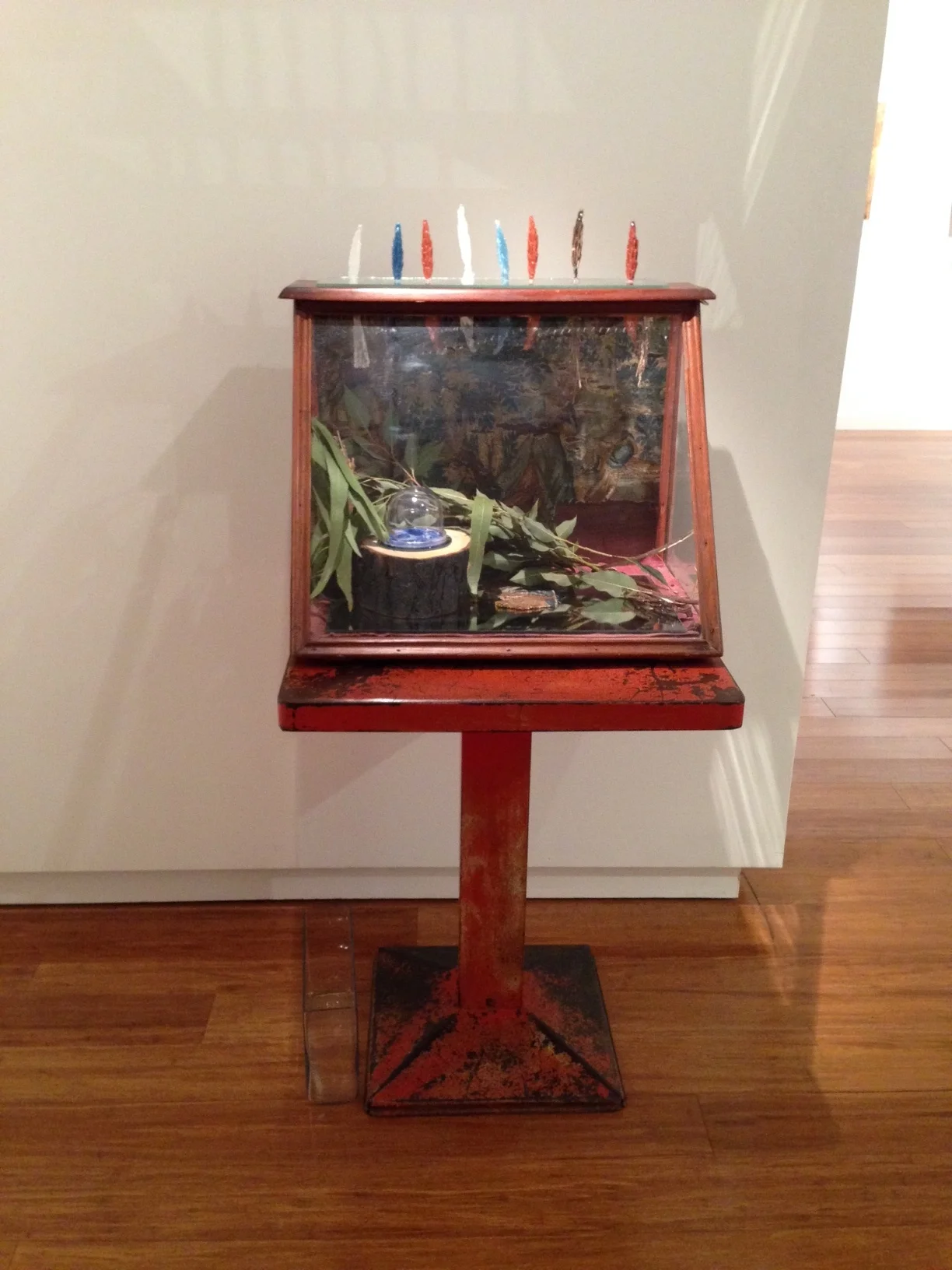
In ‘Triple Bottom Line’ I look at the effect climate change will have on the people, environment and economy of 10 countries at risk from rising sea levels, if climate change continues as predicted.
The sentimental value of a souvenir purchased as a reminder of a place, may be the only reminder of this place if it is lost to the sea.
The process of collecting mass produced souvenirs illustrates the absurdity of the things people find valuable.
Fortyfive downstairs 2020
Charcoal frottage on Hosho paper, Gold leaf. Dimensions: 2 x (1.6m x 48cm) 1 x (1m x 1.3m)
The intrinsic value of a tree alters each time its shape and meaning alters, and depending on who is viewing it. As a living organism and part of a forest, it holds a greater value than it holds on its own. However the monetary value of a single tree is what most humans seem to be interested in.
A charcoal frottage represents the commercial value of a tree. The gold leafed points signify the area that fits into an economically viable shape which can be cut, transported, and sold most economically. What is leftover outside this area is discarded as waste. What’s left in the bush is a forest of stumps, soon to be burnt in the name of ‘regeneration’.
These are homes to ecosystems that support life, including our own. These thoughts conjure images of burnt blackened homes on our TV screens after what are becoming all too familiar bushfires.
McClelland Sculpture Park and Gallery - Senini Art Prize Finalist
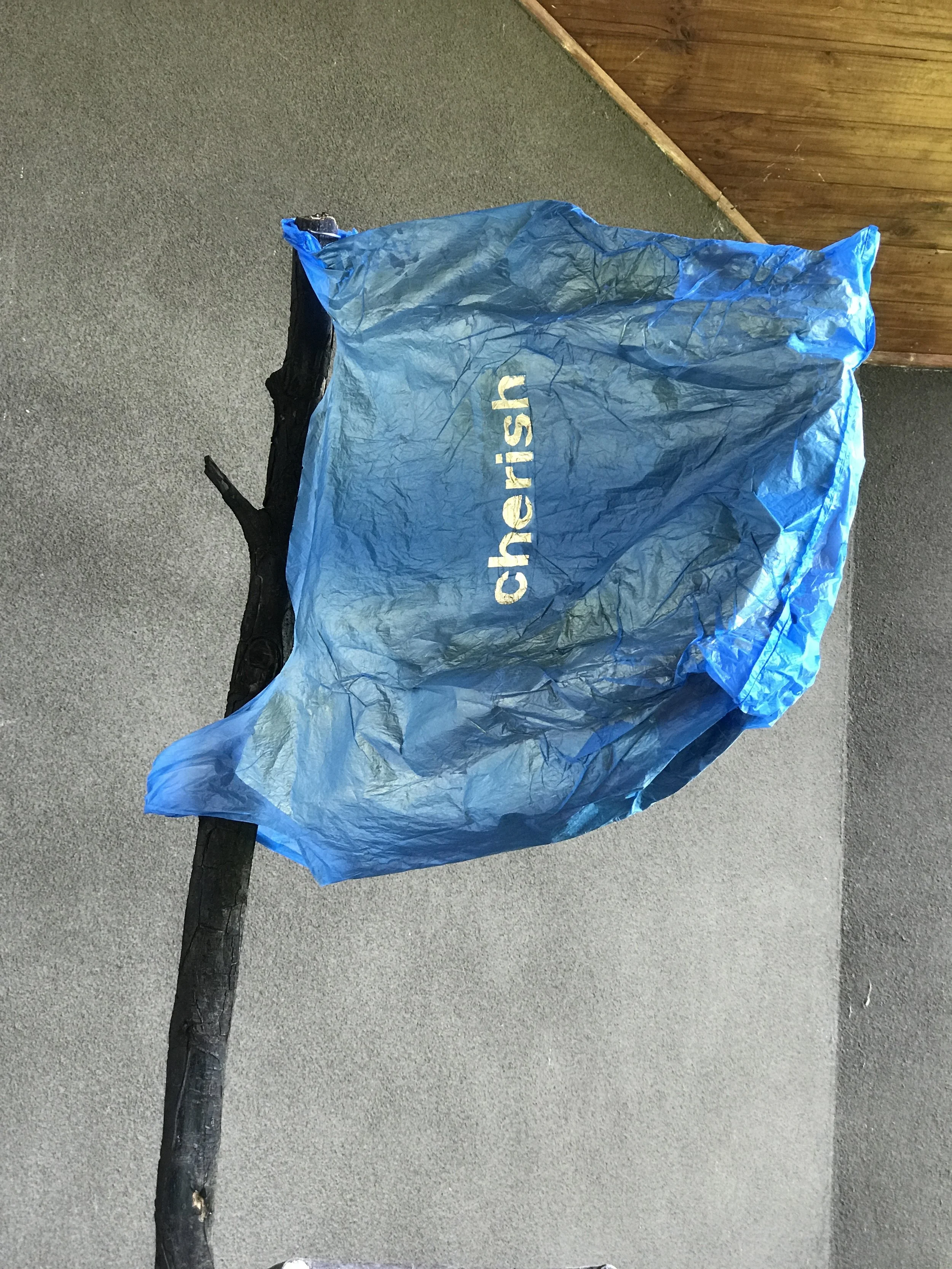
Ali Griffin’s ongoing investigation into ‘what needs to change for us to value what we already have?’ continues with this series of gold leaf lined plastic shopping bags.
Plastic shopping bags are being treated as a single use throw away item, ending up in landfill, our oceans, sea life’s stomachs, and subsequently, our own bodies.
Even though we are slowly outlawing single use plastics, there are still billions of bags being produced and discarded every single day.
Griffin suggests that if we treat existing bags as a valuable resource, they may not end up where they cause havoc in our environment, and instead be recycled into other usable items.
Ali Griffin’s artwork requires stillness to experience the full sentiment behind the work. She asks you to take the time to let the work flow over you and challenge your thoughts about value and beauty.
Iconic symbols paired with materials steeped in meaning, show us there is still hope, still time... copper - the only element found in every living organism; tapestries - deteriorating as a single thread represents a species going extinct and the planet unravelling around us; mirrors - reflecting that we are wired to find symmetry attractive; souvenirs - reminding us of the absurd nature of collecting mass produced plastic ornaments as a memento of a presonal experience, giving little thought to its production or the future of the place it was purchased.
We live in a world where nature competes for habitat with man-made. Beauty fights with necessity, and there is a constant battle between want vs need.
Ali’s works are tender and thought provoking, and, if we let them, will remind of the possibilities, both positive and negative, and asks ‘what needs to change for us to value what we already have?
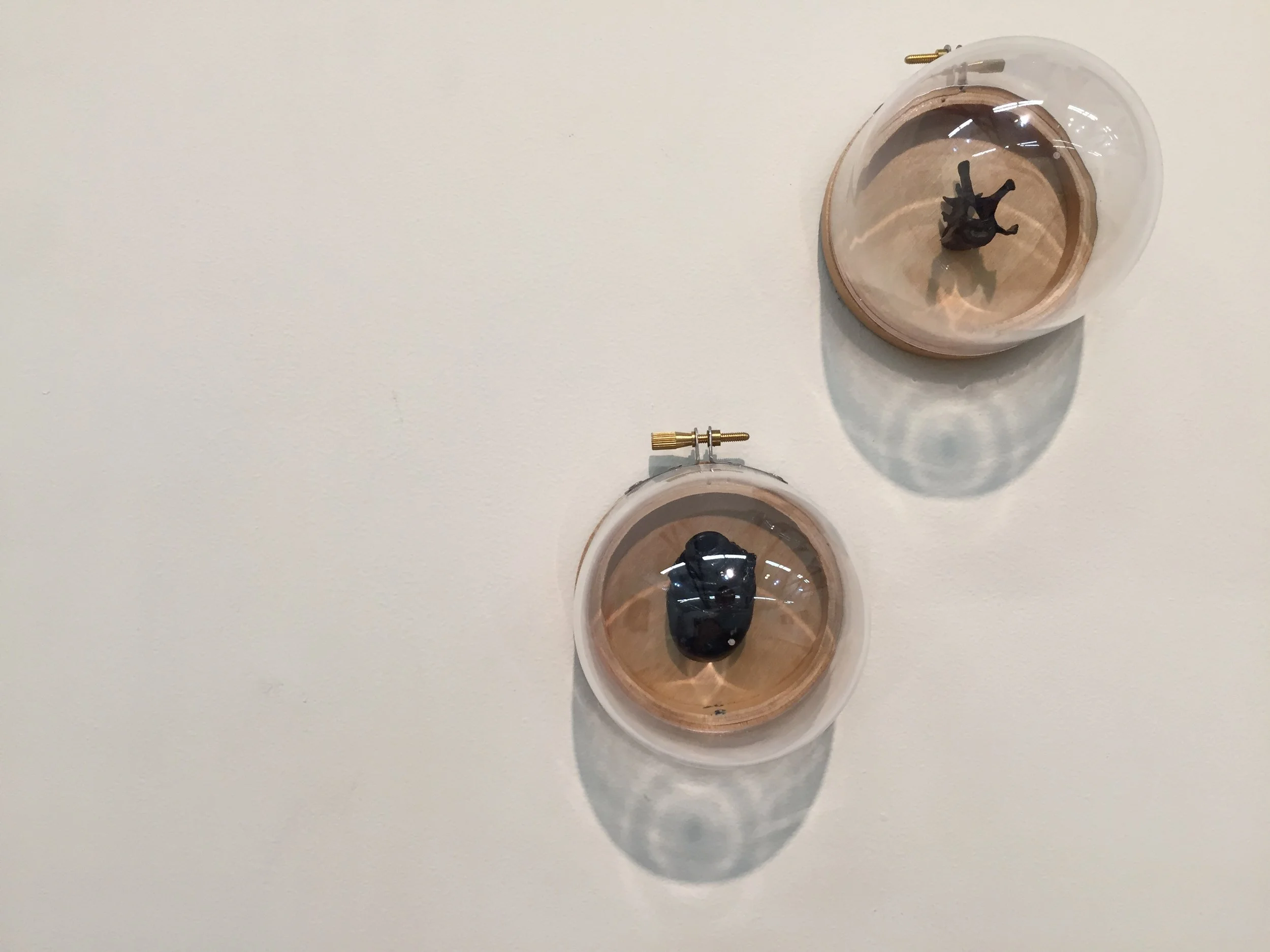
I burnt a decommissioned CFA helmet in a pottery kiln to demonstrate the fragility of life, including those that put their lives on the line to save our lives and property.
Artist statement
I make art to notice things that are overlooked. What we value, what we discard, and who we choose to see are threads that run through my work. I am drawn to the fragile, the ordinary, and the quietly powerful.
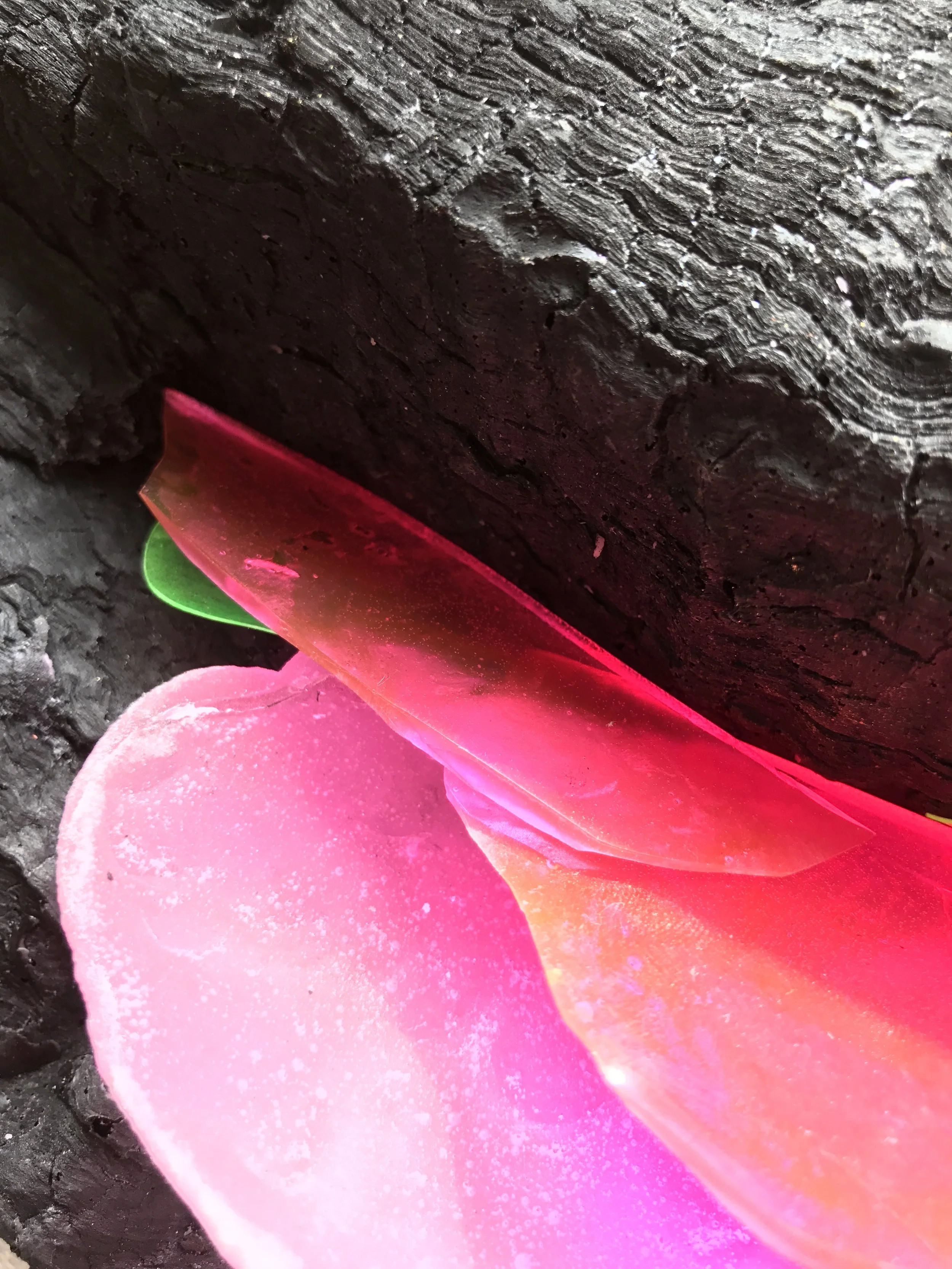
After losing my home in the Black Saturday bushfires, I became captivated by the charcoal remains. Stripped of colour and context, they were seen as waste, yet they held memory, meaning, minerals, and unexpected beauty. That experience reshaped how I see the world. Since then, my practice has explored the tension between perceived worth and inherent value; in materials, in stories, and in people.
Across sculpture, installation, public artwork, painting, and wearable pieces, I reframe the familiar to reveal what has always been there. I invite audiences to look again, to reconsider, and to recognise value where it has been overlooked. A shift in perception opens the door to empathy and change.
Whether I am exploring the resilience of bushfire survivors, the representation of women, the invisibility of wisdom, or the quiet strength of community, my intent remains the same: to make space for what has been undervalued. When we see differently, we value differently. And when we value differently, change becomes possible.
HOW ART AND BUSHFIRES CHANGED MY LIFE: https://www.youtube.com/watch?v=FiyJVlAlMvQ